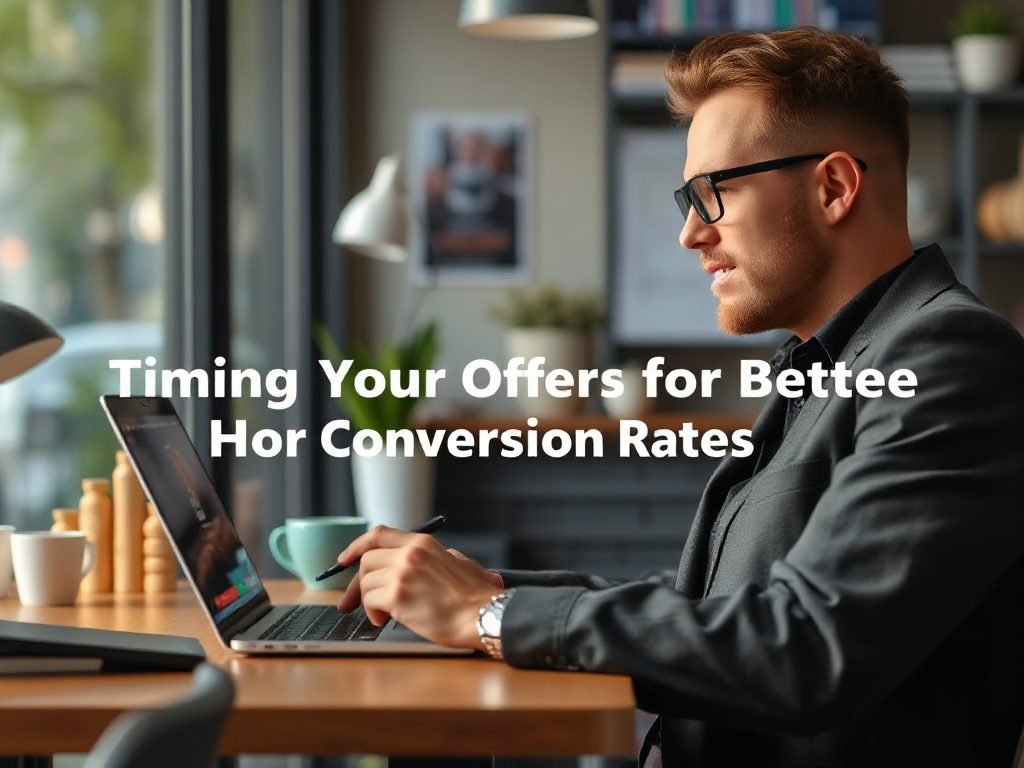
Timing your offers strategically can greatly improve conversion rates by ensuring they resonate with customer behavior and market dynamics. To achieve this, analyze data to pinpoint when your audience is most engaged, such as weekends or specific times of the day. Tailor your promotions to coincide with these peak moments, and consider seasonal trends to enhance visibility. Additionally, segment your audience to create targeted offers that cater to their unique preferences, which can lead to higher response rates. Regularly reviewing past campaign performance will further refine your timing strategy, allowing you to optimize future offers for maximum impact.
Understanding the Importance of Timing
Timing your offers for better conversion rates is crucial because it directly impacts how potential customers perceive and respond to promotions. Offers presented at the right moment can create a sense of urgency, leading to quicker purchasing decisions. Conversely, poorly timed offers may go unnoticed or be ignored, resulting in lost sales opportunities. Recognizing the optimal timing for your audience requires a blend of market research, customer insights, and strategic planning.
For instance, consider the difference between launching a holiday promotion weeks in advance versus the day before. A well-timed offer allows customers to plan their purchases and increases the likelihood of conversions. Additionally, understanding the rhythm of your business cycle—such as peak sales periods—can inform when to roll out significant offers, ensuring they reach the right audience at the right time.
Analyzing Customer Behavior
To effectively time your offers, analyzing customer behavior is fundamental. This involves gathering data on when customers are most active, what products they are interested in, and how they respond to previous promotions. Utilizing tools like Google Analytics or customer relationship management (CRM) systems can provide insights into buying patterns and peak engagement times.
For example, if data shows that your customers frequently engage with emails on weekends, it may be beneficial to schedule your promotions to coincide with that time. Additionally, segmentation can play a vital role; different customer groups may have distinct preferences regarding timing. Tailoring your offers based on these insights not only improves engagement but also enhances the overall effectiveness of your marketing strategy.
Leveraging Seasonal Trends
Seasonal trends can significantly influence consumer behavior and should be factored into your offer timing strategy. Promotions aligned with holidays, back-to-school seasons, or even local events can resonate more with your audience, leading to higher conversion rates. Understanding these cycles allows businesses to create timely and relevant offers that capture customer interest.
For instance, a retail store might launch a summer sale just as temperatures rise, appealing to customers looking to refresh their wardrobe. Conversely, failing to align offers with seasonal trends can result in missed opportunities and reduced visibility. Monitoring industry trends and customer preferences will help you stay ahead, ensuring your offers are timely and relevant.
Crafting Targeted Offers
Once you understand the timing, crafting targeted offers becomes the next step in enhancing conversion rates. Personalized offers, which consider customer preferences and previous interactions, can significantly boost engagement. By utilizing data analytics, businesses can tailor their promotions to meet the specific needs of different customer segments, making the offer more appealing.
For example, a customer who frequently purchases outdoor gear might respond well to a targeted offer for camping equipment during the spring season. Furthermore, employing A/B testing can help determine which types of offers resonate best with your audience at specific times. This iterative approach allows for continual refinement of your timing strategy, ensuring maximum effectiveness.
Frequently Asked Questions
What factors should I consider when timing my offers?
Consider customer behavior patterns, seasonal trends, and historical performance data of previous promotions to determine optimal timing.
How can I analyze customer behavior effectively?
Utilize analytics tools like Google Analytics or CRM systems to track customer engagement and purchasing patterns.
Why is seasonal timing important for offers?
Seasonal timing taps into heightened consumer interest during specific periods, increasing the likelihood of conversions.
What is the impact of targeted offers on conversion rates?
Targeted offers cater to specific customer preferences, significantly boosting engagement and conversion rates.
How often should I evaluate my timing strategy?
Regularly assess your timing strategy, ideally after each campaign, to refine your approach based on performance data.
Further Reading
To gain deeper insights into timing your offers effectively, consider exploring authoritative sources that discuss customer behavior analytics, marketing strategies, and seasonal trends.
Authoritative Sources
- The Right Time to Market
hbr.orgThis article discusses the strategic importance of timing in marketing and how it affects consumer behavior
- Using Seasonality to Your Advantage
forbes.comInsights into leveraging seasonal trends for effective marketing strategies, enhancing offer timing
- The Importance of Timing in Marketing
shopify.comShopify's guide on why timing is essential for marketing campaigns and offers
Conclusion
Effectively timing your offers is a critical component of increasing conversion rates. By understanding customer behavior, leveraging seasonal trends, and crafting targeted promotions, businesses can significantly enhance their marketing effectiveness. Regular analysis and adjustment of your timing strategy will ensure that your offers resonate with your audience at the right moment, ultimately driving better results and maximizing sales opportunities.